

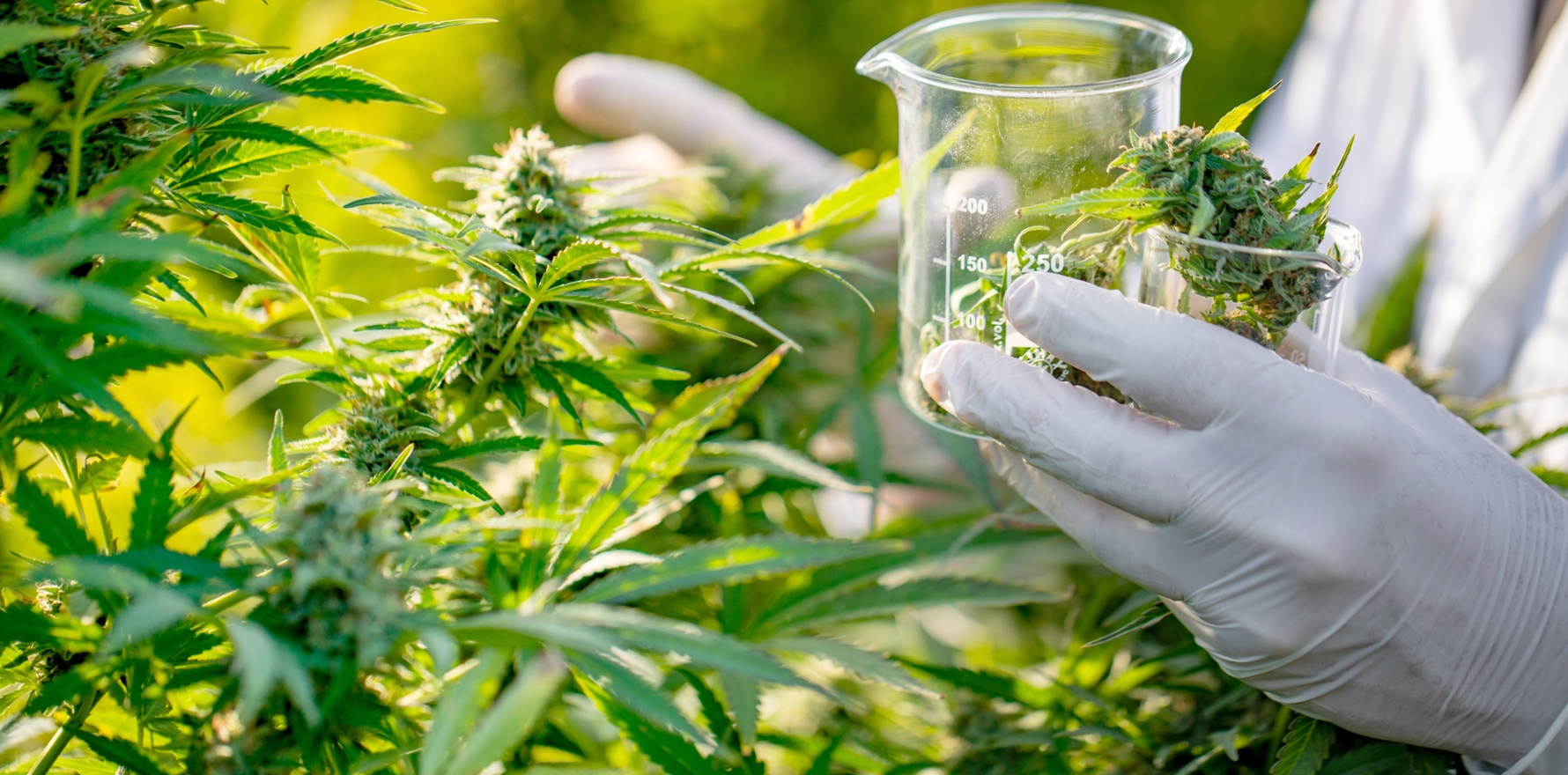
Category 5 products, the TGA's tier for unapproved medicinal cannabis, can range anywhere from 13% to 88% THC.
Category 5 cannabis products account for nearly half of all unapproved medicinal cannabis applications to the TGA. But they lack evidence for their safety or efficacy at THC concentrations above 22%, a rapid review published in Drug and Alcohol Review has found.
The research team from Monash Addiction Research Centre screened 9969 studies from the past decade for eligibility, but only 15 were included in the review, two of which were from Australia.
Long-term efficacy implications were especially limited, with five of the 15 studies using only a single dose.
Adverse events – predominantly dizziness, cough, nausea, drug highs and anxiety – were mild to moderate and tied to the total THC dose rather than its concentration.
As it stands, only two medicinal cannabis products have ever undergone pre-market TGA evaluation.
In a separate analysis published in the Royal Australian and New Zealand College of Psychiatrists (RANZCP’s) journal, more than half of the adverse events reported to the TGA from mid-2022 to mid-2025 were linked to category 5 products.
Psychiatric disorders, including anxiety, psychosis and paranoia, were the leading adverse event category, followed by nervous system and respiratory disorders.
Nowhere is the issue more stark than in Queensland.
Since licensing began in 2016, Queensland has issued more medicinal cannabis prescriptions than all other states combined, with 167,000 scripts, compared with 156,000 across Victoria, NSW, WA and SA, according to AMA Queensland.
Over the past decade, more than 383,000 Special Access Scheme Category B prescription application approvals came from Queensland, followed by more than 354,000 from Victoria.
But these figures do not account for the authorised prescriber pathway, where Queensland still leads.
In an October 2025 submission to the TGA, AMA Queensland – alongside the RACGP, Pharmacy Guild and the Royal Australian and New Zealand College of Psychiatrists (RANZCP) – expressed concerns that the TGA’s current standards for regulating medicinal cannabis, including THC levels, were inadequate.
In particular, the AMAQ said medicinal cannabis business models do not comply with the Medical Board of Australia’s telehealth guidelines and engage in direct-to-consumer marketing.
Related


AMAQ president Associate Professor Erica Gannon said the Drug and Alcohol Review study reaffirmed what the medical peaks have long maintained.
“[Medicinal cannabis] products are being prescribed for conditions for which there is no evidence of their efficacy or to patients with co-morbidities where medicinal cannabis is contraindicated,” Professor Gannon said.
The downstream effect, she said, is an increase in presentations of THC-induced psychosis and other harmful effects, further straining ED staff.
“We need governments to act against unscrupulous businesses and manufacturers putting profits from this industry ahead of people’s health,” the AMAQ president said.
Co-author of the study and Monash research excellence scholar Myfanwy Graham told The Medical Republic that there was very limited guidance available on higher-THC medicinal cannabis products.
She said the TGA should consider capping THC concentration at the levels naturally occurring in the cannabis plant – between 30% and 35% – or even aligning limits with the 22% threshold tested in randomised controlled trials.
“To prevent comorbidity and drug interactions, heightened screening and monitoring of patients is essential because we know not all information is being communicated from external telehealth or private clinics to GPs,” Ms Graham said.
AMAQ immediate past president Dr Nick Yim told TMR while multiple factors could explain Queensland’s disproportionately high prescribing and dispensing rates, a lack of interstate access to patients’ prescription histories could be one driver.
“We want to ensure prescribers [have] specialist registration, because we have heard many doctors who are in the telehealth models are in the non-specialist realm,” he said.
These concerns aren’t new to regulators.
AHPRA’s own guidelines have warned against high-volume THC prescribing, failing to check real-time monitoring systems for other prescribed medicines, and conducting inappropriately short consultations.
Eight practitioners were flagged by AHPRA for issuing more than 10,000 scripts in a six-month window, with one even issuing over 17,000.
Meanwhile, the TGA’s own review of the unapproved medicinal cannabis framework, which closed to submissions in October 2025 after receiving 786 submissions, found the supply pathway was no longer fit for purpose.
The TGA has yet to specify when the reforms will come into effect.
But the pressure seems to be taking effect, with the volume of medicinal cannabis units sold in Australia falling by almost 30% following AHPRA and the TGA’s crackdown on dodgy medicinal cannabis prescribing, according to data from the Department of Health, Disability and Aging.
This article was updated on 31 July for clarity.
